What to look for before a minor issue turns into a bigger problem.
An oil tank is not something most homeowners think about very often, at least not until there is a smell of fuel, a damp patch on the ground, or a heating problem that seems to come out of nowhere. The trouble is, tanks often show warning signs before a bigger issue develops. Spotting those signs early can help you avoid disruption, fuel loss, and more expensive work later on.
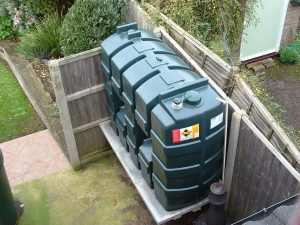
If your property relies on oil heating, it is worth keeping an eye on the condition of the tank as well as the boiler itself. At Greenwood’s Heating & Plumbing, we work with homeowners who want reliable, practical advice when something does not look quite right. Below are seven common signs your oil tank may need attention.
| Warning Sign | What It May Suggest | Why It Matters |
|---|---|---|
| Rust or corrosion | Ageing metal and weakening areas | Can lead to leaks or structural failure over time |
| Fuel smell | A leak, loose fitting, or damaged pipework | Often one of the first signs that something is wrong |
| Damp patches or staining | Slow seepage from the tank or fittings | Can worsen quietly before becoming obvious |
| Cracks, warping, or bulging | Tank stress or deterioration | Could point to a tank nearing failure |
| Leaning or unstable base | Ground movement or failing support | Puts extra strain on the tank and pipework |
| Higher than normal oil use | Leak, inefficiency, or hidden issue | Can cost more and point to a larger problem |
| Tank age | Wear that is not always visible | Older tanks may need closer inspection or replacement planning |
1. Visible Rust or Corrosion
If you have a metal oil tank, rust is one of the clearest signs that it deserves a closer look. A little weathering might not seem urgent, but corrosion around seams, joints, supports, or fittings can point to gradual weakening. Once metal starts to deteriorate, it may only take time and bad weather for a small issue to become a leak. If you have started to notice flaking paint, surface blistering, or brown staining, it is worth acting sooner rather than later.
2. Oil Smells Around the Tank
A strong smell of heating oil near the tank should never be ignored. Even if there is no obvious puddle or visible damage, the smell alone can suggest a problem with the tank, fittings, or connecting pipework. Sometimes it is a very small leak that has not fully shown itself yet. Sometimes it is a loose or damaged connection. Either way, unusual smells around an oil tank are a warning sign that something needs checking properly.
3. Damp Patches, Stains, or Dark Ground
Dark patches around the base of the tank, oily staining, or ground that looks damp for no obvious reason can all suggest a leak or slow seepage. These signs are easy to miss if the area around the tank is cluttered or overgrown, which is one reason regular visual checks matter. Even a slow leak can become expensive over time because it wastes fuel and may affect the surrounding area before the problem becomes obvious.
4. Cracks, Bulging, or Changes in Shape
Plastic tanks can show signs of stress in a different way. Instead of rust, you may notice whitening, cracking, warping, or bulging. A tank that no longer looks even or true to shape may be under strain. This is not something to leave and see what happens. If a plastic tank begins to distort, it could suggest that the material is weakening or that the tank is no longer coping well with age, weather exposure, or the condition of the support beneath it.
5. The Tank Base Looks Uneven or Unstable
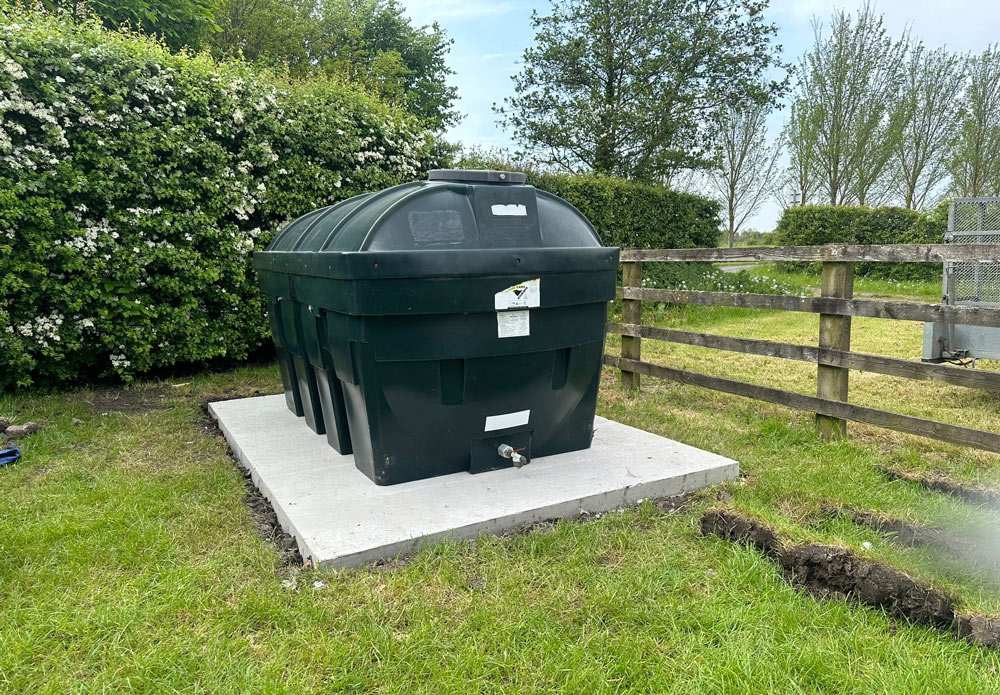
An oil tank needs a level and secure base. If the support underneath starts to shift, crack, or sink, the tank can lean or put extra stress on its own structure and pipework. Sometimes the issue is the tank, but sometimes the real problem is what is happening underneath it. A tank that looks slightly off level, unsupported at one end, or unstable after heavy weather is worth having checked before the strain leads to a bigger failure.
6. You Are Using More Oil Than Expected
If your heating habits have stayed about the same but your oil usage has increased noticeably, it may be a sign that something is not quite right. The reason will not always be the tank itself, but unexplained fuel loss should never be brushed aside. It could point to a slow leak, damaged pipework, or an efficiency issue elsewhere in the system. If you are already thinking about the age and performance of the wider setup, it may also be worth reading How Long Should Your Oil Boiler Last? Understanding Longevity.
7. The Tank Is Getting Older
Age on its own does not automatically mean a tank has failed, but older tanks are more likely to develop hidden weaknesses. That is especially true if the tank has had years of exposure to weather, uneven ground, or minimal maintenance. A tank may still look passable from a distance while small problems are developing in places that are easy to miss. If your tank has been in place for a long time, routine checks become more important, not less.
Why Acting Early Makes a Difference
Most homeowners would rather deal with a small issue at the right time than face a major problem in the middle of winter. Catching warning signs early may help you avoid lost fuel, prevent larger repairs, and reduce the chance of a disruption to your heating. It also gives you more time to make sensible decisions rather than rushing into action after a failure.
When to Call a Professional
If your oil tank is showing any of these signs, it is sensible to have it looked at properly. An inspection can help confirm whether the issue is minor, whether repairs are needed, or whether replacement is the more practical long term option. Greenwood’s Heating & Plumbing can advise on oil boilers and tanks, and if you are also weighing up wider heating decisions, you may find The Ultimate Guide to Choosing Between Gas and Oil Boilers useful as well.
Final Thoughts
Oil tanks often give you some warning before a more serious issue develops. Rust, fuel smells, staining, movement, and unexpected fuel loss are not things to ignore. A quick visual check now and then can go a long way, but if something seems off, it is always better to get proper advice.
If you are concerned about the condition of your oil tank or want advice on your heating setup, contact Greenwood’s Heating & Plumbing for straightforward help and practical recommendations.