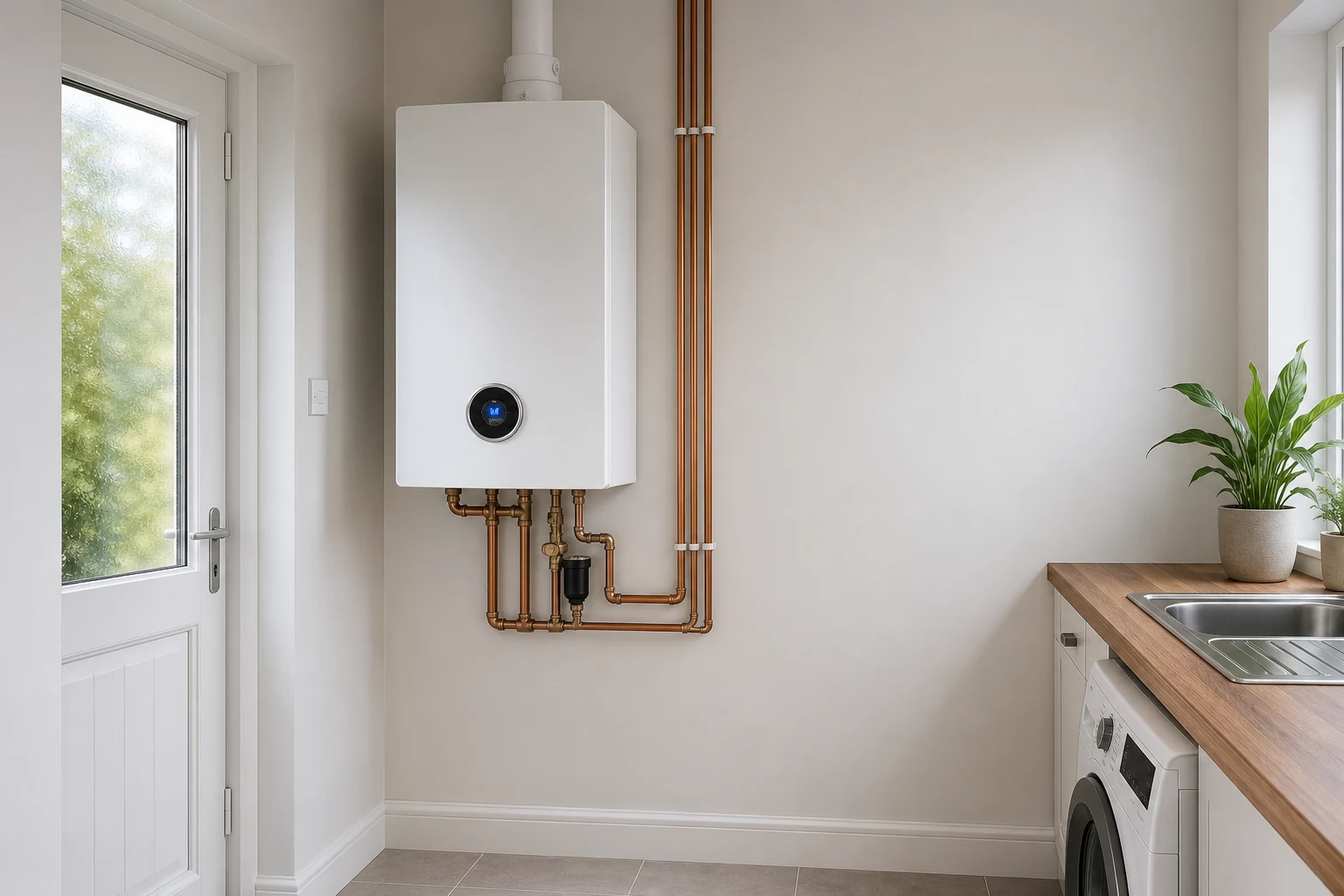

When you rely on an oil boiler to keep your home warm and provide hot water, it’s essential to understand its expected lifespan. After all, no one wants an unexpected boiler failure during the colder months, and knowing how long your boiler should last can help you plan for replacements and avoid unnecessary costs.
With regular maintenance and the right care, you can maximise the lifespan of your system, ensuring it continues to run smoothly and efficiently for as long as possible.
Oil boilers, on average, last between 15 and 25 years, depending on several factors. However, this can vary based on the type of system, its usage, and the frequency of maintenance.
In this blog, Grennwods Heating & Plumbing, delve into the factors that influence the lifespan of your oil boiler, signs that it might be time for a replacement, and how you can extend its longevity with proper care.
Average Lifespan of an Oil Boiler
The average lifespan of an oil boiler is typically around 15-25 years. While this is a general guideline, some high-quality systems can last even longer with the right care. The key to getting the most out of your oil boiler lies in its installation, maintenance, and usage patterns.
A well-installed boiler that has been regularly serviced can comfortably last towards the upper end of this range, whereas a poorly maintained one might need replacing sooner.
Regular maintenance, including annual servicing, plays a crucial role in keeping your oil boiler running efficiently for longer. Boilers that are not maintained may develop problems over time, such as a build-up of sludge or debris, which can reduce efficiency and cause premature failure.
Ensuring your oil boiler is well-looked after can extend its life and keep your heating costs down.
Factors That Affect the Lifespan
Several factors can influence how long your oil boiler lasts. One of the most significant is the level of maintenance it receives.
Boilers that are serviced annually by a qualified technician are more likely to reach the end of their expected lifespan without major issues. Regular servicing ensures that the system runs efficiently, reduces wear and tear, and catches small problems before they become expensive repairs.
Usage is another factor. If your oil boiler is running constantly or working harder than usual, it may wear out more quickly. Homes with larger heating needs or older, less efficient models may put additional strain on the boiler, potentially reducing its lifespan.
Additionally, the quality of the oil used and the components installed can make a significant difference—high-quality fuel and parts will help the system last longer.
Signs Your Oil Boiler Needs Replacing
There are a few warning signs that indicate your oil boiler might be approaching the end of its useful life. If you notice that your heating system is not working as efficiently as it once did or if you’re facing frequent breakdowns, it could be time to consider a replacement. A boiler that requires constant repairs or experiences inconsistent heating is likely showing signs of wear that may be too costly to fix.
Another sign is a significant rise in heating costs. If your oil boiler is consuming more fuel than usual, this could indicate that it’s not operating as efficiently as it once did.
As the system ages, it may become less effective at converting energy, leading to higher fuel bills. If these problems are persistent, it might be more economical in the long run to replace the boiler rather than continually pay for repairs.

Maximising Your Boiler’s Longevity
To get the most out of your oil boiler, it’s essential to invest in regular maintenance. Annual servicing ensures that any potential issues are spotted early and allows for any necessary adjustments to keep the system running efficiently.
Replacing components, such as the oil filter or burner, at the recommended intervals can also help to prevent problems from developing and extend the overall life of the boiler.
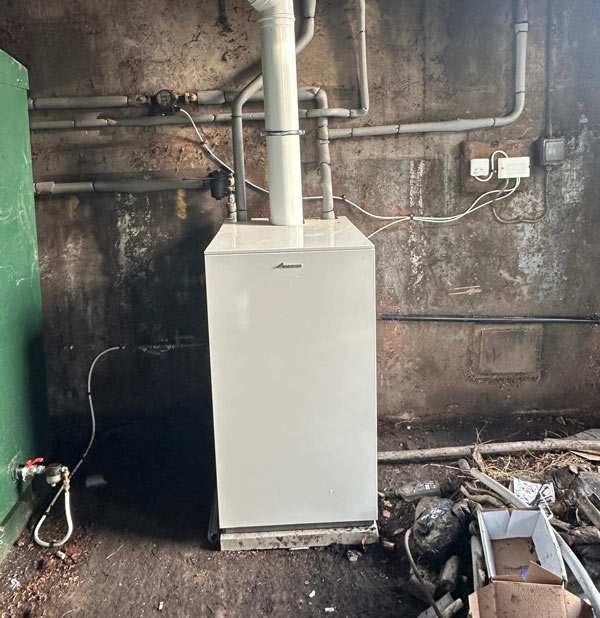
In addition, paying attention to the environment in which the boiler operates can help. Ensure that the area around the boiler is free from debris and that there is adequate airflow to prevent overheating.
A well-maintained system, free from external obstructions, will run more efficiently and last longer.
When to Replace Your Oil Boiler
Knowing when to replace your oil boiler can save you time, money, and the inconvenience of unexpected breakdowns. If your boiler is nearing the end of its expected lifespan and you’re facing frequent repairs, it may be worth considering an upgrade.
Weigh the cost of continued repairs against the cost of a new boiler, keeping in mind that a more energy-efficient model could save you money on heating bills in the long term.
Another factor to consider is the efficiency of your current boiler. Older models may no longer meet modern efficiency standards, meaning they could be costing you more in energy bills.
If your boiler is becoming increasingly inefficient, investing in a new system could help reduce your energy consumption and lower your household heating costs.
Conclusion
The longevity of your oil boiler depends on a variety of factors, including the quality of installation, frequency of maintenance, and how much it’s used.
A well-maintained oil boiler can last for up to 25 years or more, while an older or poorly maintained one might need replacing sooner.
By keeping an eye out for signs of wear and investing in regular servicing, you can ensure that your boiler runs efficiently for as long as possible.
When the time comes to replace your oil boiler, weigh the costs and benefits carefully. While repairs can keep an older system running, investing in a more energy-efficient model may provide long-term savings.
Proper maintenance and timely replacement can help you maximise the lifespan of your oil boiler and ensure your home stays warm and comfortable for years to come.