Water pressure issues tend to develop quietly. A shower that feels slightly weaker or a tap that takes a bit longer to fill the sink rarely sets off alarm bells at first.
Because the change is gradual, many homeowners adapt without realising something is not quite right until the problem interferes with everyday routines.
There is also an assumption that poor pressure is simply part of the property, especially in older homes. While that may sometimes be true, pressure problems often point to an underlying issue that could worsen if left alone.
Catching it early can save inconvenience and, in some cases, prevent damage to the plumbing system itself.
Common Symptoms of Water Pressure Issues
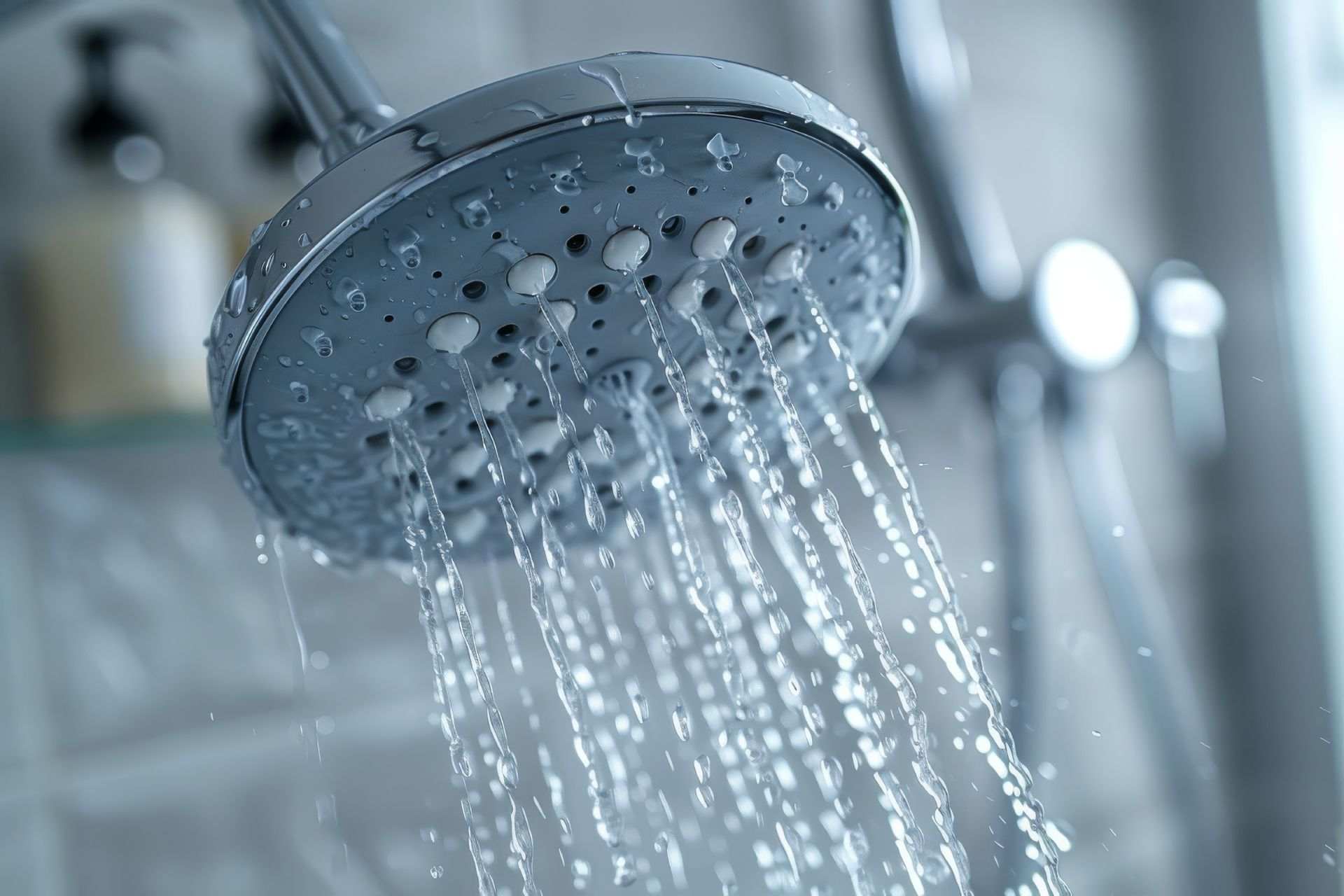
One of the most noticeable signs is a weak or uneven flow from taps and showers. You might find the pressure drops when another tap is turned on, or that it fluctuates without warning.
Appliances such as washing machines and dishwashers may also take longer to fill, which can be frustrating and easy to overlook.
Some symptoms come and go, which can make diagnosis trickier. A shower may feel fine in the morning, but struggle in the evening, or pressure may dip during busy times in the area.
These patterns can be a clue that the issue is linked to demand or supply rather than a single faulty fitting.
Understanding Normal Water Pressure in UK Homes
In the UK, mains water pressure varies by location and property type. Many homes receive what is considered adequate pressure for normal use, but there is no single standard that applies everywhere.
Properties at the top of a hill or far from the local pumping station may naturally experience lower pressure.
It is tempting to compare your water flow with a neighbour’s, but that does not always tell the full story.
Differences in pipe size, internal plumbing layout, and even recent upgrades can all affect performance. What feels normal in one house may be considered poor in another.
Main Causes of Low or Inconsistent Water Pressure
Low or inconsistent pressure often has a straightforward cause. Ageing pipework can restrict flow over time, especially if internal corrosion or limescale has built up.
A stopcock that is not fully open is another common and easily missed issue, particularly after plumbing work.
Leaks within the system can also reduce pressure, even if there is no obvious sign of water damage.
In some cases, the problem may lie outside the property, such as shared supply pipes or temporary issues with the local water mains. It is also possible for several smaller factors to combine and create noticeable pressure loss.
High Water Pressure: A Less Obvious Problem
While low pressure gets most of the attention, high water pressure can be just as problematic.
Strong flow may feel like a benefit at first, but over time, it can put strain on pipe joints, valves, and appliances. This extra stress may lead to leaks or premature wear.
High pressure often goes unnoticed because everything appears to be working well.
Subtle signs such as banging pipes or dripping taps can be early warnings. Left unaddressed, excessive pressure may increase the risk of sudden plumbing failures.
Simple Checks Homeowners Can Carry Out
There are a few basic checks homeowners can safely carry out before calling for help.
Checking that the internal stopcock is fully open is a good starting point. Observing whether pressure changes over the course of the day can also provide useful clues.
It is also worth looking for visible leaks around fittings and appliances.
These checks may suggest where the problem lies, but they rarely provide a complete answer. If the issue persists, it is usually best not to rely on guesswork.
When Water Pressure Points to a Bigger Plumbing Issue
In some cases, pressure problems are a symptom of a wider issue within the plumbing system.
Hidden leaks behind walls or under floors can quietly reduce pressure while causing long term damage. Corroded or undersized pipes may also struggle to meet modern household demand.
System design can play a role too, especially in older properties that have been extended or altered over time.
What once worked well for a smaller household may no longer be suitable. Identifying these issues early can prevent more disruptive repairs later on.
Possible Fixes and Long Term Solutions
The right solution depends entirely on the cause of the problem. Minor issues may be resolved with simple adjustments or targeted repairs.
In other situations, fitting a pressure reducing valve or a booster pump may be recommended to stabilise flow.
Long term solutions can include upgrading sections of pipework or improving system layout. While these options involve more work, they often provide lasting improvements rather than temporary relief.
A proper assessment helps ensure the fix addresses the root cause rather than masking the symptoms.
When to Call a Professional Plumber
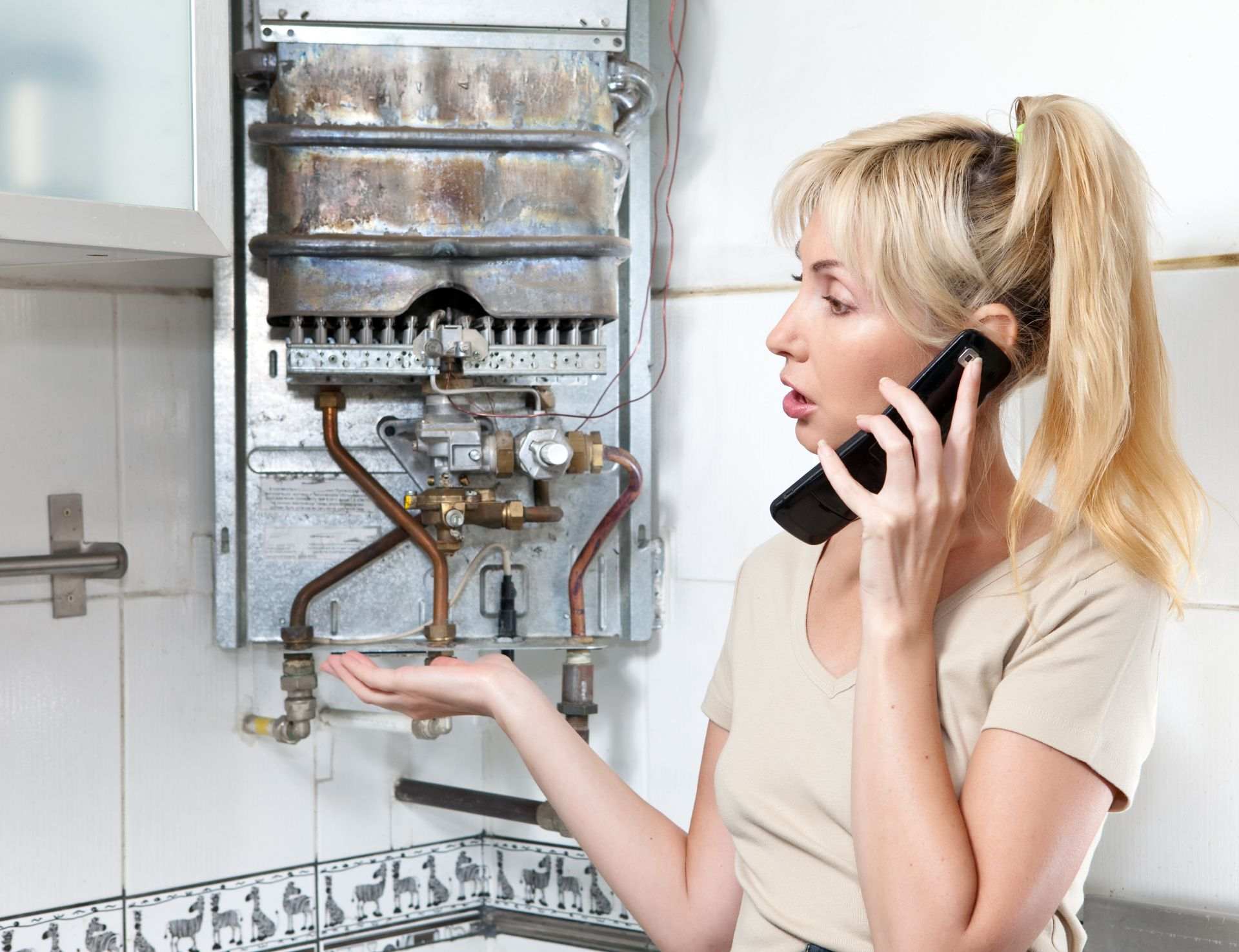
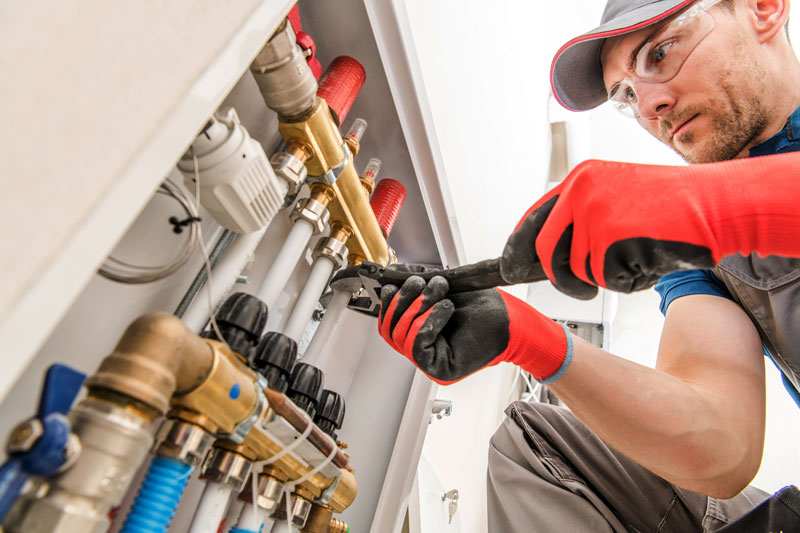
If water pressure issues continue despite basic checks, professional input is usually the safest option. Persistent fluctuations, signs of leaks, or concerns about system safety should not be ignored.
A qualified plumber can test pressure accurately and identify less obvious faults.
Calling a professional early can also help avoid unnecessary expense. Rather than trying multiple fixes that may not work, an expert assessment often leads to a clearer and more effective solution.
This approach saves time and reduces the risk of further problems.
Conclusion
Water pressure issues can be frustrating, but they are rarely unsolvable. Understanding the symptoms and possible causes makes it easier to decide when to investigate further.
Small changes in pressure are often early warning signs worth paying attention to.
With timely action and the right advice, reliable water pressure can usually be restored.
Regular checks, sensible maintenance, and knowing when to seek professional help all play a part in keeping your plumbing system working as it should.