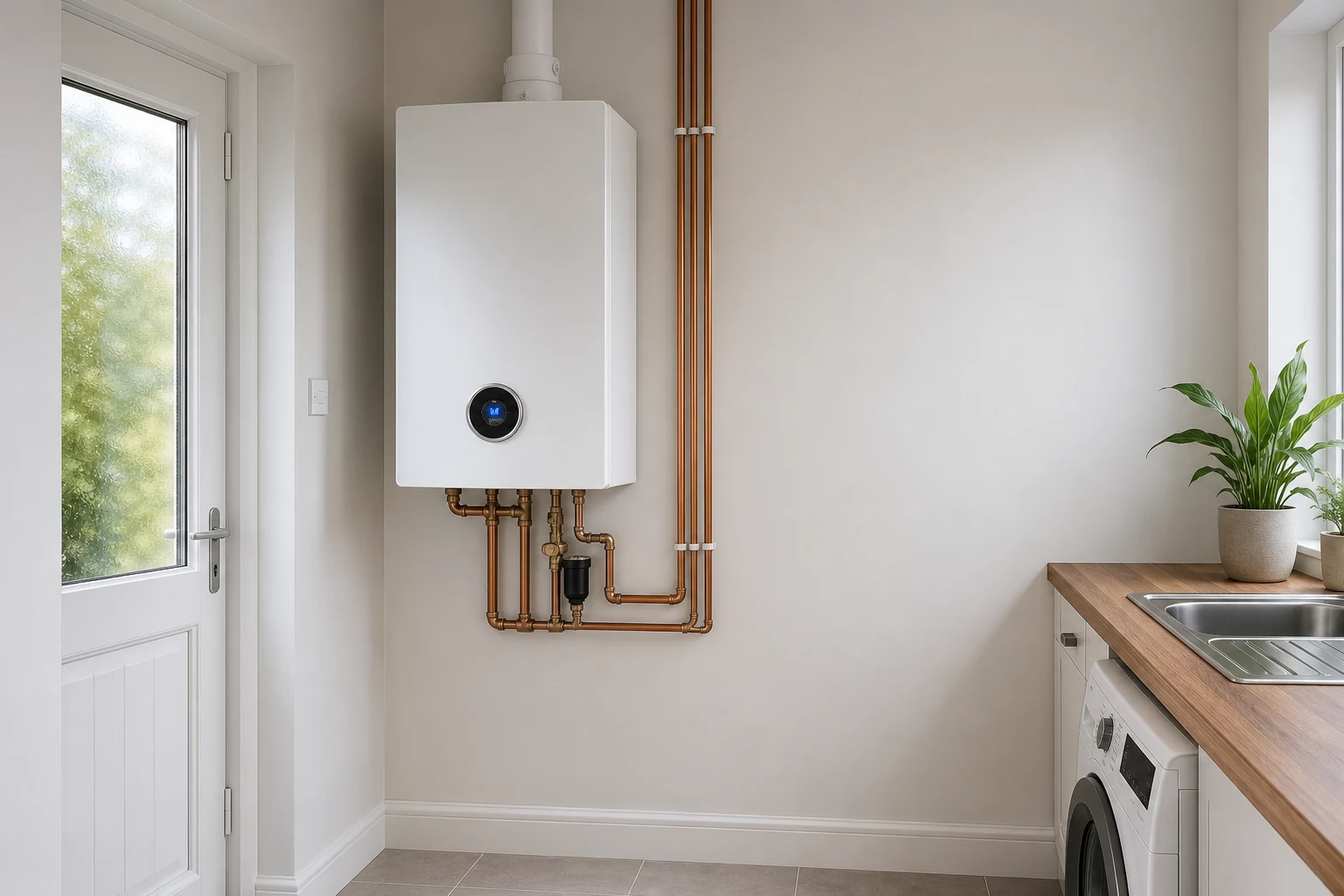
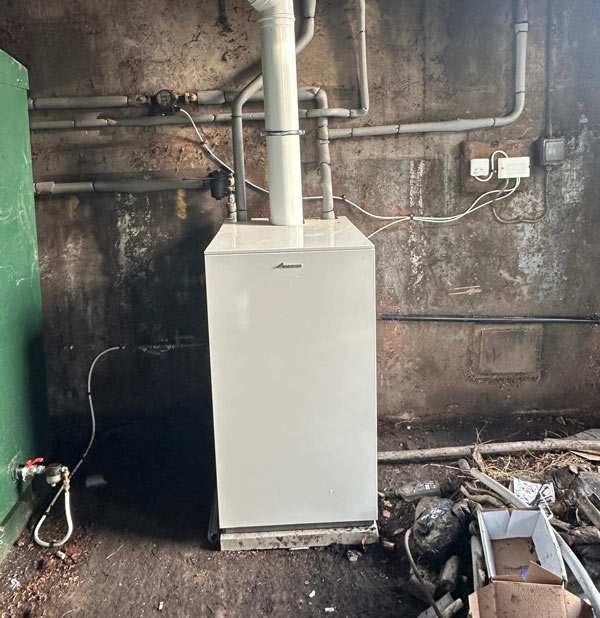
Having a new oil boiler installed can feel like a fairly big job, especially if your current system has been in place for years.
Most homeowners know the boiler needs replacing, but are less sure about what actually happens on the day, how disruptive it might be, and what the engineer needs to check before everything is up and running.
The good news is that an oil boiler installation usually follows a clear process.
While every property is slightly different, the job will normally include an initial assessment, checks on the oil supply, removal of the old boiler, fitting of the new unit, full testing, and a proper handover once the work is complete.
Initial Survey and Heating Assessment
Before the installation takes place, a heating engineer will usually carry out a survey of your home and existing heating system.
This gives them a chance to look at your current boiler, pipework, radiators, hot water cylinder, if you have one, and any controls already in place.
It also helps them spot any issues that could affect the installation before work begins.
The engineer may also consider the size of your property, how many bathrooms you have, how many people live in the home, and how much hot water you tend to use.
This matters because an oil boiler needs to be correctly sized.
A boiler that is too small may struggle to heat the property properly, while one that is too powerful could be inefficient and unnecessarily expensive to run.

Checking the Existing Oil Tank and Fuel Supply
As part of the process, the engineer will need to check the existing oil tank and fuel supply. The new boiler has to be connected to a safe, reliable fuel source, so it is not simply a case of fitting the boiler and ignoring the rest of the system.
The tank, pipework and any filters all play a role in how well the boiler performs.
During this stage, the engineer may look for signs of damage, leaks, corrosion, poor positioning or ageing pipework.
If the oil tank is very old, badly sited or showing signs of wear, it may need further attention before or alongside the boiler installation.
It can be frustrating to hear that extra work is needed, but it is usually better to deal with these issues early rather than risk problems later.
Choosing the Right Location for the New Boiler
The location of the new oil boiler is another important part of the installation. In some cases, the new boiler may be fitted in the same place as the old one, especially if the existing position still works well.
However, the engineer will still need to check that there is enough access for servicing, safe flue positioning and practical pipework connections.
Oil boilers can be installed indoors or externally, depending on the property and the type of boiler chosen. External oil boilers are usually housed in a weatherproof cabinet, which can be a useful option if indoor space is limited.
Indoor boilers, on the other hand, may be more convenient for some homes, provided the location is suitable and meets the necessary safety requirements.
Removing the Old Boiler
Once the installation work begins, the old boiler will usually be isolated from the power, fuel supply and heating system.
The system may need to be drained down so the engineer can safely disconnect the old unit without causing leaks or damage.
This part of the job needs to be handled carefully, particularly if the boiler has been in place for a long time.
Removing an old oil boiler is not always as simple as lifting one unit out and putting another one in. Older pipework, dated controls, worn valves or old flue parts can all make the job more involved.
A good engineer will assess these details as they go and make sure the new installation is not being connected to parts that are likely to cause trouble later.

Installing the New Oil Boiler
After the old boiler has been removed, the new oil boiler can be positioned and connected. This includes linking it to the heating system, fuel supply, flue, electrical controls and any hot water components.
The engineer will make sure the boiler is level, secure and installed in a way that allows it to operate safely and efficiently.
A proper installation is about more than making the boiler fit in the available space. The pipework should be neat, the flue should be correctly positioned, and the system should be set up to suit the property.
A rushed like-for-like swap might seem easier at first, but it can lead to performance issues if the wider heating system has not been properly considered.
Updating Controls and Heating Efficiency
Many oil boiler installations also involve updating the heating controls. This might include a new room thermostat, programmer, timer or smart control system.
While the boiler itself is important, the controls have a big impact on how efficiently the heating is used day to day.
Modern oil boilers are generally more efficient than older models, but they still need to be managed properly.
Better controls can help you avoid heating the house when nobody is home, make it easier to set different schedules, and give you more control over comfort and running costs.
It may not be the most exciting part of the installation, but it can make a noticeable difference over time.
Testing, Commissioning and Safety Checks
Once the new boiler has been fitted, the engineer will carry out a series of tests to make sure everything is working as it should.
This includes checking the fuel supply, inspecting the flue, testing the boiler operation, looking for leaks and confirming that the heating and hot water are functioning correctly.
The system may also need to be balanced or adjusted to improve performance.
Commissioning is a key part of the installation, not just a quick final check. It confirms that the boiler has been set up correctly and is operating safely. The engineer should not simply switch the boiler on and leave.
They should take the time to check the installation properly, record the necessary details and make sure the system is ready for normal use.
Handover and Homeowner Guidance
Before leaving, the engineer should explain how to use the new boiler and any controls that have been installed. This is especially useful if you have upgraded from an older system, as modern controls can sometimes feel a little different at first.
You should know how to turn the heating on and off, adjust the thermostat, set heating schedules and understand any basic warning lights or messages.
You should also receive any relevant paperwork, warranty details and service information. It is worth keeping these documents somewhere safe, as they may be needed in the future.
The engineer may also give you advice on annual servicing, basic maintenance and signs that something is not quite right with the system.

How Long Does an Oil Boiler Installation Take?
A straightforward oil boiler installation can often be completed within a day or two.
This is usually the case when the new boiler is going in the same location, the existing pipework is suitable, and the oil tank and fuel supply are already in good condition.
Even then, the engineer will still need enough time to remove the old unit, fit the new one, test the system and complete the handover properly.
More complex installations can take longer.
For example, if the boiler is being moved to a new location, pipework needs replacing, heating controls are being upgraded, or the oil tank needs attention, the timescale may increase.
Older properties can also throw up small surprises once work begins, so it is sensible to allow a little flexibility rather than expecting every installation to be identical.
Why Professional Installation Matters
Oil boiler installation should always be handled by someone with the right experience.
A poor installation can lead to unreliable heating, higher running costs, regular breakdowns and safety concerns.
Even a good quality boiler may perform badly if it has been fitted incorrectly or connected to an unsuitable system.
A professional engineer will look at the whole setup, not just the boiler itself.
They can advise on the correct boiler size, assess the oil tank and fuel line, check the flue position, install suitable controls and make sure the system is properly commissioned.
In the long run, this can help protect your home, improve efficiency and reduce the risk of avoidable problems.
Conclusion
An oil boiler installation is a structured process that involves much more than replacing one appliance with another.
From the first survey through to final testing, each stage helps make sure the new boiler is suitable, safe and ready to heat your home properly.
If your current oil boiler is old, unreliable or becoming expensive to run, it may be worth arranging a professional survey.
With the right advice and a careful installation, a new oil boiler can provide dependable heating and hot water while helping your system run more efficiently.