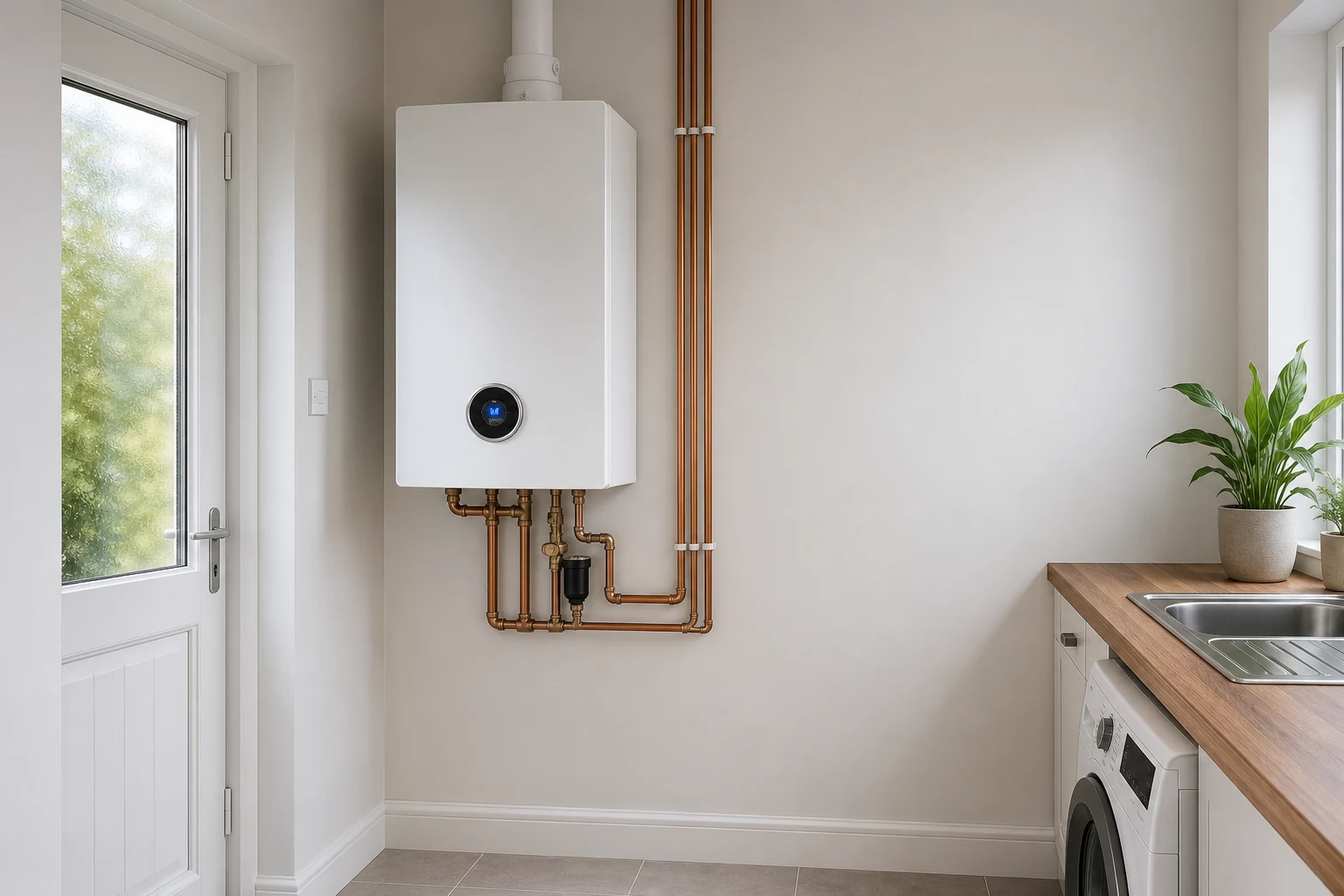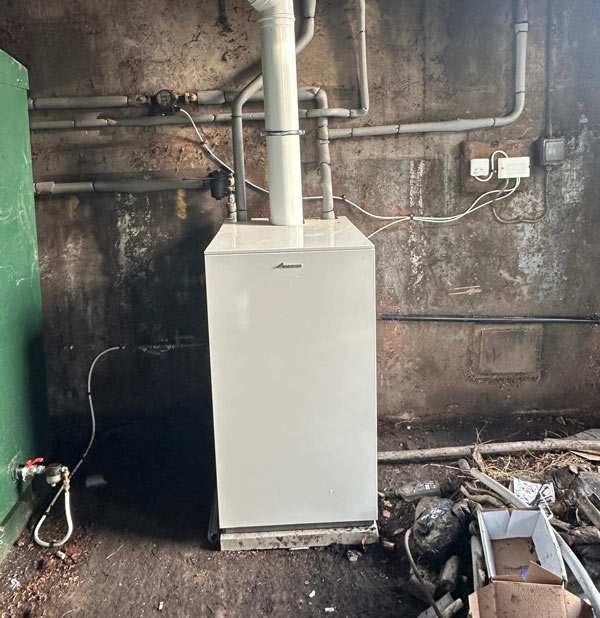
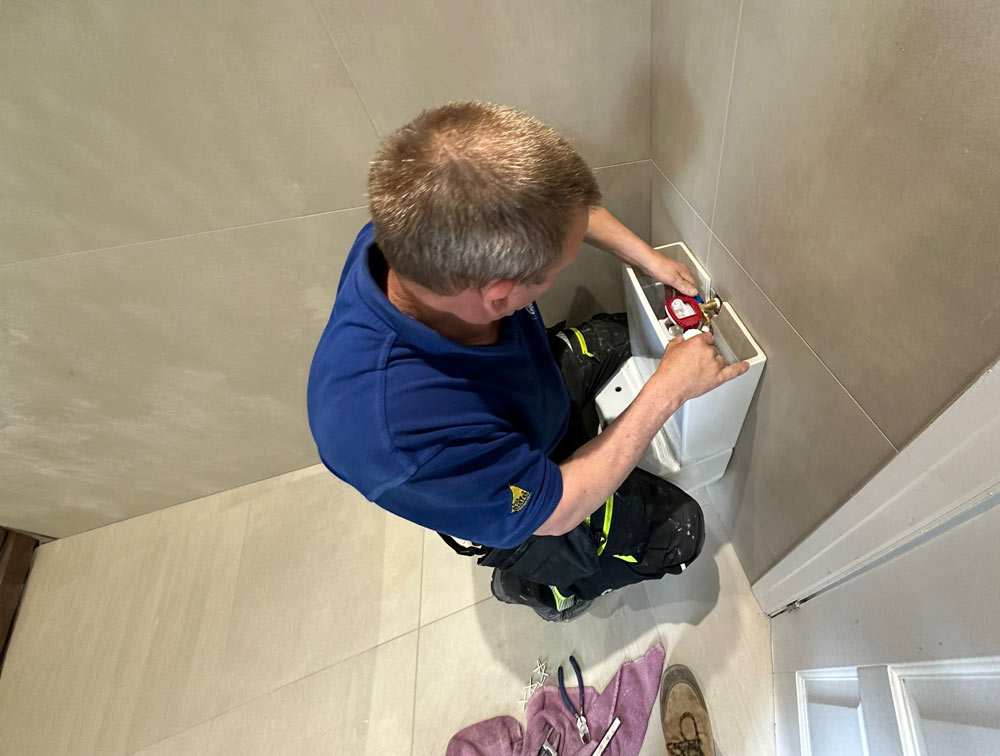
Boiler pressure might not be something most homeowners think about until something goes wrong, but it plays a vital role in keeping your heating system running efficiently.
If your boiler pressure is too low, your radiators may fail to heat up properly, and your hot water might not be as reliable as it should be. Low pressure can also place unnecessary strain on your boiler’s components, increasing the risk of further damage over time.
One of the most common reasons homeowners call a heating engineer is a persistent drop in boiler pressure. It’s often a gradual issue, starting with a small leak or a minor fault that worsens over time.
In this guide, we’ll explain what boiler pressure means, why it drops, and how engineers find and fix the problem safely so your heating system stays efficient and reliable all year round.
What Boiler Pressure Actually Means
Boiler pressure refers to the amount of water pressure inside your central heating system. It’s usually displayed on a pressure gauge located on the front of your boiler. The ideal range when your system is cold is typically between 1 and 1.5 bar.
If the pressure drops below this, your heating system may struggle to circulate water effectively, leading to reduced heat output and increased wear on internal parts.
It’s also worth noting that there’s a difference between low and high pressure. Low pressure means there’s not enough water circulating through the system, while high pressure can put strain on pipes and joints, potentially leading to leaks.
Keeping the pressure within the recommended range is essential for both performance and safety, which is why modern boilers are fitted with built-in pressure relief systems.
Common Reasons Your Boiler Keeps Losing Pressure
One of the most frequent culprits behind pressure loss is a leak somewhere in your heating system. These leaks can occur in pipes hidden behind walls or floors, around radiator valves, or within the boiler unit itself.
Even a small drip can cause a gradual drop in pressure over days or weeks. Another common cause is bleeding your radiators; when trapped air is released, some water escapes too, which can lower system pressure.
Faulty components are another major factor. A pressure relief valve that has worn out over time may begin to leak slightly, releasing water and reducing pressure.
Similarly, if your boiler’s expansion vessel loses its internal air charge, it can’t maintain consistent pressure as the system heats and cools.
In some cases, trapped debris or air pockets can also affect the system’s readings, making it seem like the pressure is fluctuating even when no major fault is present.

How Heating Engineers Diagnose the Problem
When an engineer arrives to assess your boiler, they’ll begin with a visual inspection, checking the boiler casing, pipework, and radiators for any visible signs of leaks.
They’ll then test the pressure gauge, expansion vessel, and safety valve to determine whether the issue is mechanical or related to water loss.
In some cases, engineers will use specialist tools such as leak detection fluid, moisture sensors, or even thermal imaging to identify hidden leaks.
A Gas Safe registered engineer follows strict safety procedures when diagnosing boiler pressure issues. They’ll ensure that all electrical and gas components are isolated correctly before inspecting the boiler’s internals.
This detailed diagnostic process not only identifies the cause of the pressure loss but also prevents unnecessary repairs. Once the fault has been confirmed, the engineer will explain the problem and outline the most cost-effective and long-term fix.
How Engineers Fix a Boiler Losing Pressure
Professional engineers use several methods to restore correct boiler pressure, depending on the underlying issue. If they find a leaking valve or pipe, they’ll reseal or replace the faulty component.
In the case of an expansion vessel fault, the engineer will recharge it with the correct amount of air or replace it entirely if it’s beyond repair. Any repairs are always followed by careful testing to ensure the pressure remains stable.
For boilers with internal leaks or corrosion, more extensive repairs may be needed. After repairs are complete, the engineer will safely refill the system to the correct pressure and bleed any remaining air to restore even heat distribution.
Before leaving, they’ll usually perform a final system check to confirm everything is operating efficiently. This professional approach ensures the issue is fixed properly and prevents the same problem from recurring.
What Homeowners Can Do (and What to Avoid)
While it’s always best to leave major repairs to a professional, there are a few safe steps homeowners can take. Checking your pressure gauge regularly helps you spot any changes early.
If the pressure drops slightly, you can use the boiler’s filling loop to top it up within the recommended range. However, it’s important to do this carefully and refer to your manufacturer’s manual to avoid overpressurising the system.
What you shouldn’t do is attempt to open the boiler casing or tamper with any internal parts. These components are sealed for safety reasons, and interfering with them could invalidate your warranty or even pose a gas safety risk.
If your boiler keeps losing pressure after you’ve topped it up once or twice, that’s a clear sign of a bigger problem that needs professional attention. Annual servicing by a qualified engineer is the best way to keep your system healthy and prevent future issues.
When It’s Time to Call a Professional
If your boiler pressure continues to drop even after topping it up, or you notice no visible leaks but still experience heating problems, it’s time to call an expert.
Persistent pressure loss could indicate a hidden leak, a faulty valve, or an issue with the heat exchanger—all of which require a qualified engineer to diagnose safely. Leaving these problems unresolved can lead to further damage or a full system breakdown.
It’s crucial to make sure the person you call is a Gas Safe-registered engineer. This ensures they have the training and legal authorisation to work on gas appliances.
A professional will not only fix the immediate issue but also check the rest of your system for potential weaknesses, giving you peace of mind and long-term reliability.
Conclusion
Boiler pressure loss is a common issue, but understanding why it happens can help you act before it leads to major damage. Whether it’s a minor leak, a faulty valve, or an expansion vessel problem, catching it early makes all the difference.
Regular maintenance and prompt attention from a professional engineer will keep your heating system efficient, safe, and ready for the colder months.
If your boiler keeps losing pressure, don’t ignore it. Contact the team at Greenwoods Heating, Plumbing and Renewables Ltd for expert diagnosis and reliable boiler repairs.
With professional care and maintenance, you can ensure your home stays warm and your boiler runs smoothly all year round.