Your boiler is an essential part of your home, keeping you warm during the colder months and ensuring you have hot water when needed. However, like any appliance, boilers don’t last forever, and when they start to fail, they can become inefficient, unreliable, and even dangerous.
Recognising the early signs of a faulty boiler can save you from costly breakdowns and help you avoid unexpected heating issues.
Many homeowners are unsure whether their boiler simply needs a repair or if it’s time for a full replacement. Understanding the warning signs can help you make an informed decision, ensuring your home remains warm and energy-efficient.
In this blog, we’ll explore the key indicators that your boiler may be on its last legs and when it’s best to repair or replace it.
Unusual Noises Coming from the Boiler
Boilers should operate relatively quietly, so if you start to hear unusual noises such as banging, whistling, or gurgling, it could indicate an underlying issue. Banging sounds might be due to air trapped in the system or a problem with the heat exchanger, while whistling—sometimes referred to as ‘kettling’—is often caused by limescale build-up restricting water flow.
Gurgling sounds, on the other hand, could be the result of low water pressure or trapped air in the pipes.
Ignoring these noises can lead to more significant problems over time, potentially resulting in expensive repairs or even a complete boiler failure.
If your boiler is making concerning sounds, it’s best to have it checked by a qualified heating engineer to diagnose the issue and prevent further damage.
Frequent Breakdowns and Repairs
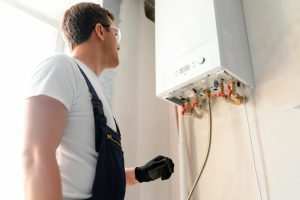
If your boiler is constantly breaking down and requiring repairs, it may be a sign that it’s nearing the end of its lifespan. While occasional servicing and minor fixes are normal, repeated callouts for the same issues can become costly and inconvenient.
A boiler that struggles to perform consistently may also indicate that key components are wearing out.
At some point, the cost of repeated repairs will outweigh the price of investing in a new, more reliable system. If your boiler has broken down multiple times in a short period, it may be more cost-effective to replace it rather than continue to pay for frequent fixes.
Upgrading to a newer model could save you money in the long run through improved energy efficiency and reduced maintenance costs.
Increased Energy Bills
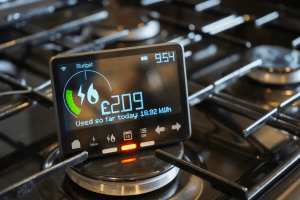
A sudden rise in your energy bills without a clear explanation could be due to your boiler losing efficiency. Over time, older boilers become less effective at heating your home, meaning they must work harder and use more fuel to achieve the same results.
This extra energy consumption leads to higher bills and unnecessary costs.
If you’ve noticed a consistent increase in your heating expenses, it might be worth checking your boiler’s efficiency rating.
Modern A-rated condensing boilers are far more efficient than older non-condensing models, meaning upgrading could significantly reduce your household energy costs.
Investing in an energy-efficient boiler can pay off in savings over time while also reducing your carbon footprint.
Uneven Heating or Lack of Hot Water
If your radiators aren’t heating up properly or you’re experiencing fluctuations in your hot water supply, your boiler may be struggling to function effectively.
Cold spots on radiators could indicate an issue with the circulation pump, trapped air, or a build-up of sludge in the system. Similarly, if your hot water runs out quickly or fluctuates between hot and cold, there may be a problem with the boiler’s heat exchanger or thermostat.
These issues can often be fixed with repairs, but if the problem persists, it could signal that your boiler is no longer able to meet the demands of your household. If you’re frequently experiencing heating inconsistencies, it may be time to consider replacing your system with a more reliable and efficient boiler.
Leaks or Visible Damage
A leaking boiler is a serious issue that should never be ignored. Water leaks can indicate internal corrosion, broken seals, or issues with the pressure valve, all of which can lead to further damage if left unaddressed.
Even a small leak can affect the boiler’s efficiency and put strain on the surrounding pipework, increasing the risk of a major breakdown.
Beyond leaks, visible signs of damage such as rust, cracks, or soot build-up around the boiler should also be cause for concern.
Corrosion or damage to key components may mean that the system is beyond repair, making replacement the safest and most effective option. If you notice any visible signs of wear and tear, it’s best to call a heating engineer for an inspection.
The Boiler is Over 10–15 Years Old
Boilers typically have a lifespan of around 10 to 15 years, depending on the model and how well they’ve been maintained. If your boiler is reaching this age, it’s likely becoming less efficient and more prone to faults.
Older models are also less energy-efficient, meaning they cost more to run compared to modern boilers.
While regular servicing can extend a boiler’s life, eventually, replacement becomes the more practical and cost-effective option.
Upgrading to a newer model can improve your home’s heating efficiency, lower your energy bills, and reduce the risk of unexpected breakdowns, giving you greater peace of mind.
Strange Smells or Carbon Monoxide Risks
A properly functioning boiler should never emit unusual odours. If you notice a strange smell, particularly a sulphur-like or burning scent, it could indicate a gas leak or overheating components.
These issues require immediate attention from a Gas Safe registered engineer, as gas leaks pose a serious safety risk.
Even more concerning is the risk of carbon monoxide leaks, which can be fatal. Carbon monoxide is odourless, making it difficult to detect without a CO alarm.
Symptoms of carbon monoxide poisoning include headaches, dizziness, nausea, and confusion. If you suspect a leak, turn off the boiler, ventilate your home, and seek professional help immediately.
Boiler Pressure Issues
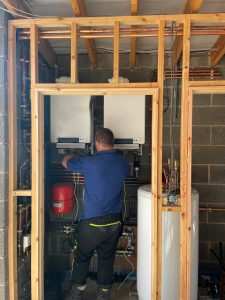
Boiler pressure is crucial for its proper function, and fluctuations can indicate a problem. If the pressure is consistently too low, it may suggest a leak, a faulty pressure relief valve, or air trapped in the system.
On the other hand, excessively high pressure can strain internal components and lead to breakdowns.
While minor pressure adjustments can often be made by homeowners, persistent issues require professional inspection.
If your boiler is frequently losing pressure or struggling to maintain the correct level, it may be a sign of an ageing system that needs replacing.
Warning Lights or Error Codes
Many modern boilers have digital displays that show warning lights or error codes when something isn’t working correctly.
These codes can indicate anything from minor faults to serious malfunctions, such as ignition failures or sensor issues.
If your boiler is regularly displaying errors or requiring resets, it may be struggling to function properly. While some issues can be fixed with repairs, a boiler that frequently displays error messages may be nearing the end of its lifespan.
In such cases, replacing it with a more reliable model could save you from ongoing frustration and costly callouts.
When to Repair vs. When to Replace
Deciding whether to repair or replace your boiler depends on several factors, including its age, efficiency, and the cost of repairs. If your boiler is under 10 years old and the issue is minor, a repair may be the best option.
However, if repairs are becoming frequent and expensive, replacement is likely the smarter long-term investment.
Modern boilers are far more energy-efficient than older models, meaning you could save money on running costs while also reducing your carbon footprint.
If your boiler is showing multiple signs of failure, upgrading to a newer system will not only improve your home’s heating but also provide greater reliability and peace of mind.
Conclusion
A failing boiler can be both inconvenient and costly, so recognising the warning signs early is essential.
Whether it’s unusual noises, rising energy bills, or frequent breakdowns, addressing these issues quickly can help prevent a complete boiler failure and save you money in the long run.
If you’re unsure whether your boiler needs repair or replacement, consulting a Gas Safe registered engineer is the best course of action. Investing in a new, energy-efficient boiler may seem like a big expense, but in the long term, it can provide improved performance, lower energy bills, and a warmer, more comfortable home.