
As the nights draw in and temperatures begin to drop, the last thing you want is for your heating system to let you down.
A cold snap in Britain can be unforgiving, and being caught off guard with a broken boiler or inefficient radiators is a nightmare scenario for any household.
Preparing your heating system before winter arrives ensures your home remains warm, safe, and energy-efficient when you need it most.
Neglecting your heating system doesn’t just risk discomfort – it can also lead to costly boiler repairs, higher energy bills, and even safety hazards.
With just a little preparation, you can avoid most of these issues. In this blog, we’ll walk through the practical steps every homeowner should take to make sure their heating is fully winter-ready.
Book a Professional Service Check
The most reliable way to prepare your heating system is to schedule a professional service before winter arrives.
A qualified heating engineer can carry out checks that most homeowners wouldn’t spot, such as inspecting the flue, verifying boiler pressure, and testing safety devices.
This ensures your boiler is running both efficiently and safely, reducing the risk of unexpected breakdowns when demand is at its highest.
Annual servicing is also an investment in your heating system’s longevity. Small faults caught early can be fixed quickly and at a lower cost, preventing them from escalating into major issues.
Beyond the financial savings, there’s also the reassurance that your home will stay warm when you need it most.
Bleed Your Radiators
Radiators that don’t heat evenly are often a sign of trapped air within the system. Bleeding your radiators allows this air to escape, restoring proper circulation of hot water.
Homeowners will usually notice cold spots at the top of the radiator or hear gurgling noises when air is present. Thankfully, bleeding radiators is a straightforward job that requires little more than a radiator key and a cloth.
By taking the time to bleed your radiators before winter sets in, you can improve heating efficiency and reduce the strain on your boiler.
This not only keeps your home warmer but also helps lower your energy consumption. It’s a small but highly effective task that makes a real difference to comfort and running costs.
Insulate Pipes and Tanks
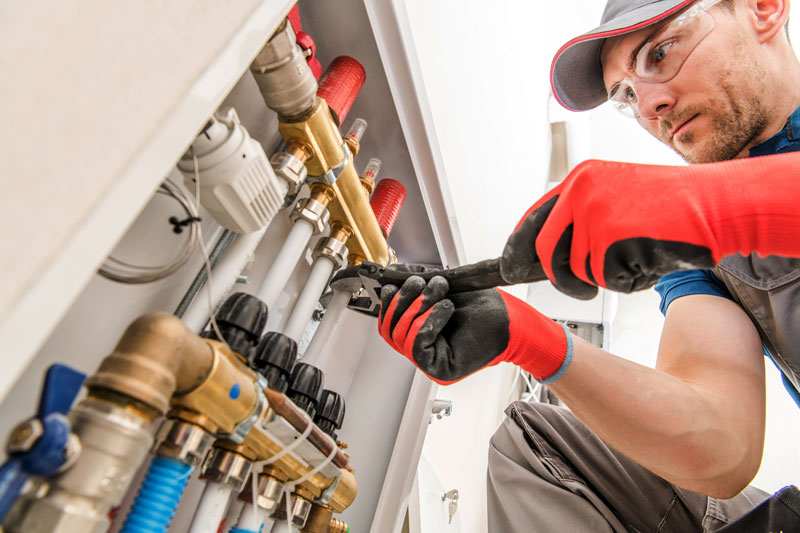
Frozen pipes are one of the most common and damaging problems households face in the colder months. When water inside pipes freezes, it expands, creating pressure that can cause them to burst.
Insulating your pipes with foam lagging and covering exposed water tanks can help prevent freezing, saving you from expensive repair bills and water damage.
Pipe insulation is a quick and affordable DIY task that anyone can carry out. Materials are readily available from most DIY shops, and the installation process is simple.
Taking this precaution ensures that your heating and hot water supply remain uninterrupted throughout winter, even during the harshest cold spells.
Check Boiler Pressure and Thermostat Settings
Boiler pressure that is too high or too low can impact the efficiency of your heating system. Most boilers operate best at a pressure of around 1 to 2 bars, and checking this regularly is key to avoiding issues.
Adjustments can usually be made at home, but if you’re unsure or notice regular fluctuations, it’s wise to consult a heating professional.
Thermostat settings are another area where small changes can make a big difference. Ensuring your thermostat and timer are set appropriately means your home is warm when you need it, without wasting energy when you don’t.
Modern programmable thermostats and smart controls can further optimise energy usage, helping you save money on bills while keeping the house comfortable.
Test Your Heating System Early
It’s best not to wait until the first freezing night to discover your heating system isn’t working properly.
By switching on your boiler and radiators in autumn, you can test whether everything is functioning as it should. Listen out for unusual noises, check for leaks, and pay attention to whether all rooms heat up evenly.
Spotting issues early gives you time to arrange repairs before engineers become fully booked in the peak winter season.
It also means you’ll avoid the stress of dealing with emergency call-outs at short notice. A quick test run ahead of time is a simple way to ensure peace of mind once the real cold weather hits.
Upgrade Where Necessary
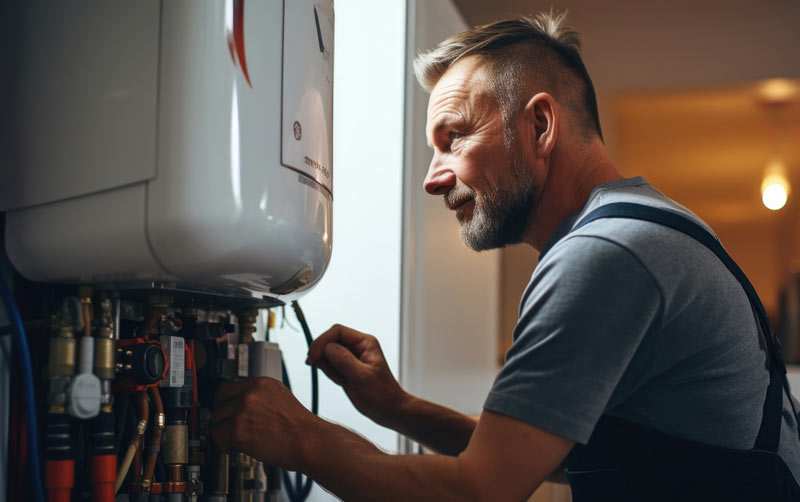
If your boiler is more than 10–15 years old, frequently breaks down, or no longer heats your home efficiently, it may be time to consider a replacement.
Modern boilers are significantly more energy-efficient and reliable, resulting in substantial savings on energy bills.
Although the upfront cost is higher, the long-term benefits in comfort, safety, and reduced running costs often outweigh the expense.
Beyond boilers, homeowners might also consider upgrading to smart thermostats or heating controls.
These systems enable you to fine-tune your heating schedule and remotely adjust settings, ensuring warmth when needed and efficiency when not. Making upgrades now can prepare your home for many winters to come.
Safety First: Carbon Monoxide Awareness
Carbon monoxide (CO) is a colourless, odourless gas that can be deadly if undetected. Any heating system that burns fuel, whether gas, oil, or solid fuel, has the potential to produce CO.
For this reason, every home should have a working carbon monoxide alarm installed near the boiler or other heating appliances.
It’s also vital to ensure that your heating system is only ever serviced or repaired by a Gas Safe registered engineer.
Professional servicing helps prevent dangerous faults, while good ventilation and unblocked flues further reduce risks. Safety should always be the top priority when preparing your heating for winter.
Conclusion
Preparing your heating system for winter is about more than just comfort – it’s about saving money, preventing damage, and ensuring your family’s safety.
From booking a professional service to insulating pipes and upgrading outdated systems, each step contributes to a warmer and more reliable home.
By taking action now, you’ll avoid the headaches of unexpected breakdowns and enjoy peace of mind as the cold weather sets in.
A little preparation goes a long way, so make sure your heating system is ready before the next cold snap arrives.