
Installing central heating for the first time can be a significant step for any homeowner.
It transforms a home from one that may rely on portable heaters or open fires into a property that maintains a consistent, comfortable temperature throughout the year.
With energy costs rising and efficiency becoming ever more important, having a properly installed system can make a noticeable difference both to your bills and overall comfort.
The prospect of setting up central heating for the first time may seem daunting. There are many decisions to make: choosing the right type of system, understanding the installation process, and budgeting effectively.
While it might appear complicated, with careful planning and professional guidance, most first-time installations are straightforward and stress-free.
Why First-Time Central Heating Matters
Central heating is not just about warmth; it also improves energy efficiency, reduces draughts, and can even increase property value.
Homes without a reliable heating system can feel cold and uncomfortable during the winter months, making everyday life less pleasant.
Installing central heating ensures rooms reach a consistent temperature quickly and maintain it efficiently.
For first-time installers, understanding the benefits alongside potential challenges is key. Decisions such as the size of the boiler, the layout of radiators, and the type of system can all impact performance.
Knowing what to expect helps homeowners feel confident that they are making the right choices for their property and lifestyle.
Choosing the Right System
Gas Boilers
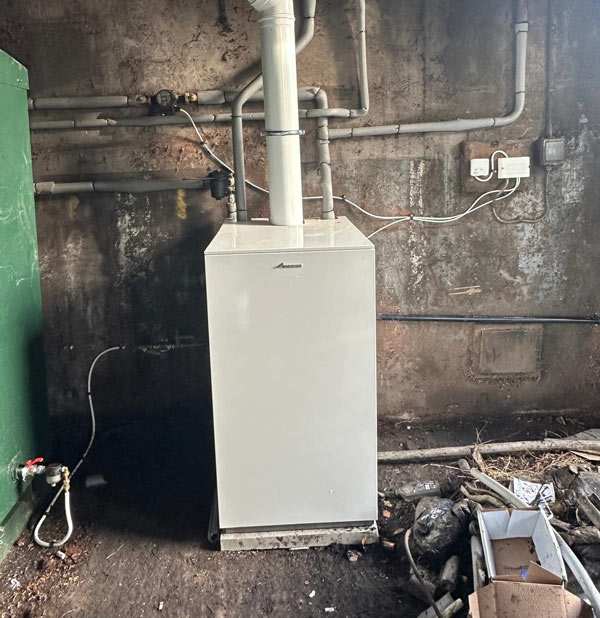
Gas boilers are the most common central heating system in UK homes. They tend to be cost-effective to run and suitable for properties of various sizes, offering reliable heating and hot water.
Modern condensing boilers are highly efficient and can reduce running costs compared with older models.
However, gas boilers require regular servicing and must be installed by a certified engineer. Their lifespan is typically 10–15 years, so planning for eventual replacement is important.
Safety is also a consideration, particularly in older properties where pipework may need updating.
Electric Heating
Electric systems are often considered where gas is not available or installation would be difficult. They can be quicker to install and require less maintenance, with options ranging from storage heaters to electric radiators.
Running costs can be higher, so they are generally better suited for smaller homes or individual rooms.
Electric heating is also quieter and produces no emissions at the point of use, which is an advantage in urban areas.
Some homeowners combine electric heating with solar panels or battery storage to reduce running costs, though upfront investment can be higher than for traditional systems.
Heat Pumps
Heat pumps, including air source and ground source types, are becoming increasingly popular due to their eco-friendly credentials.
They work by extracting heat from the air, ground, or water and can provide both heating and cooling. While installation is more expensive than traditional boilers, long-term energy savings and lower carbon emissions can offset this cost.
Choosing the right type of heat pump depends on property size, insulation levels, and outdoor space.
Air source pumps are easier to install and more common in existing homes, whereas ground source pumps require significant outdoor space for the piping network. Grants and government schemes may help reduce the initial expense.
Other Options
Combination boilers offer hot water on demand without a separate tank, while hybrid systems can pair a traditional boiler with a heat pump to improve efficiency.
Solar thermal systems can also be integrated into some homes to supplement hot water.
The best choice will depend on budget, property type, and household habits. Considering future energy costs and potential savings is crucial, as what works for one home may not be suitable for another.
Consulting a professional installer ensures the system is appropriately sized and configured.
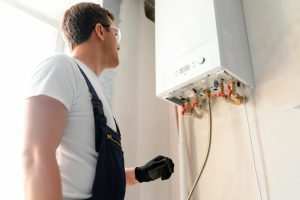
Installation Process: What to Expect
The installation process begins with a survey and assessment to determine the most suitable system and layout.
This includes checking pipework, locating the boiler, and planning radiator placement. Homeowners should be prepared for a few days of work, depending on the complexity of the system.
Installation itself involves fitting the boiler, connecting pipework, installing radiators, and setting up controls.
Once complete, the system is commissioned to ensure it operates safely and efficiently. While there may be some disruption during this period, careful planning can minimise inconvenience.
Costs and Budgeting
Installation costs vary widely depending on the type of system chosen. Gas boilers tend to be the most affordable, with full installations typically ranging from £2,000 to £4,000.
Heat pumps and hybrid systems can cost significantly more, but government grants may offset the initial outlay.
Running costs should also be considered. Modern condensing boilers and efficient heat pumps can save hundreds of pounds annually on energy bills.
Factoring in maintenance, servicing, and potential repairs ensures a realistic budget is set before work begins.
Common Issues and Pitfalls for First-Time Users
One common problem is choosing a system that is too small or too large for the property. Incorrect sizing can lead to inadequate heating or wasted energy, so professional assessment is crucial.
Poor radiator placement or insufficient control options can also reduce comfort and efficiency.
Neglecting regular servicing is another frequent oversight. A well-maintained system operates more efficiently, lasts longer, and avoids unexpected breakdowns.
First-time users should familiarise themselves with their system, including settings and maintenance schedules.
Tips for Smooth First-Time Installation
Preparing your home before installation can make the process smoother. This may involve clearing access to rooms, moving furniture, or arranging temporary heating solutions.
Clear communication with your installer about expectations and preferences also helps avoid misunderstandings.
Choosing a reputable, certified installer ensures work is completed safely and to a high standard. Homeowners should check warranties, guarantees, and aftercare options, so any issues after installation are handled promptly.
Being proactive about maintenance ensures the system performs efficiently for years to come.
Conclusion
Installing central heating for the first time is a major improvement for any home, offering comfort, efficiency, and long-term savings.
With careful planning, the right choice of system, and professional guidance, the process can be straightforward and stress-free.
Homeowners should consider upfront costs against future benefits, weigh options carefully, and seek expert advice.
Even for those new to central heating, a well-chosen and properly installed system can make a home warmer, more comfortable, and more energy-efficient.