
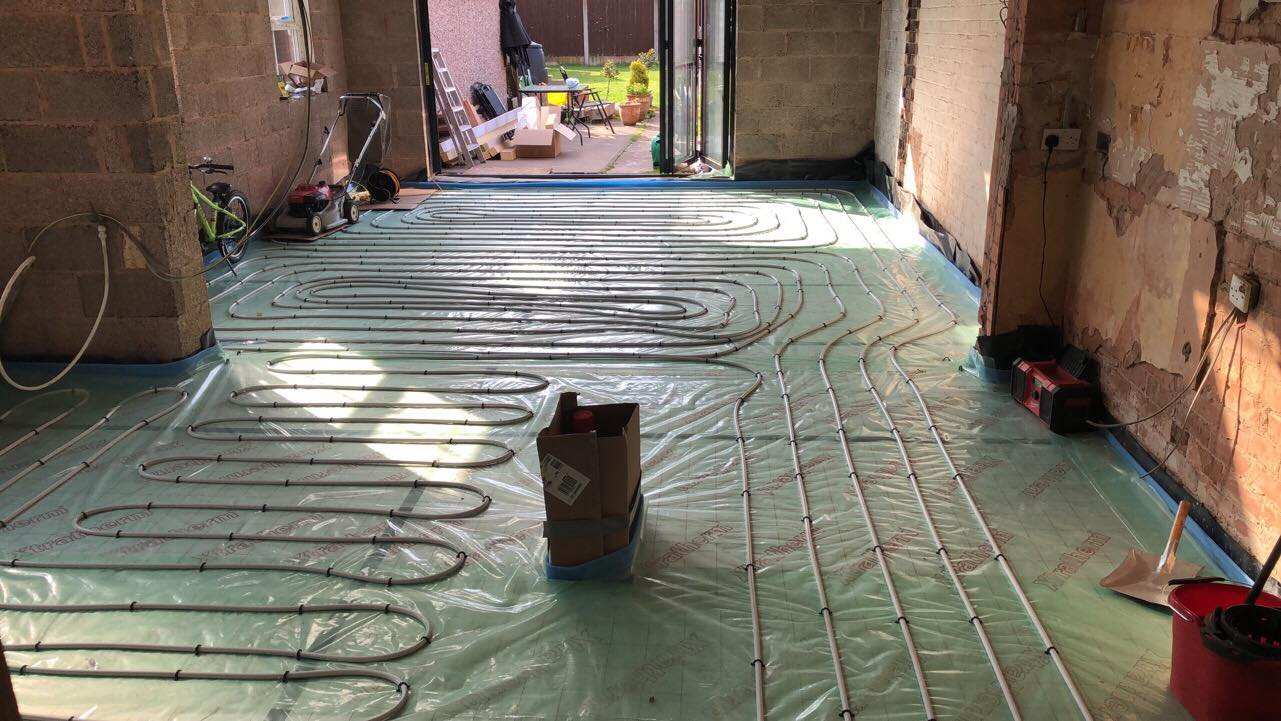
Underfloor heating (UFH) is a game-changer for home heating, offering efficiency, comfort, and a touch of luxury. However, the effectiveness of your UFH system depends largely on the type of flooring you choose. Some materials conduct heat efficiently, while others may restrict heat flow and reduce performance.
At Greenwoods Heating, Plumbing and Renewables Ltd, we specialise in underfloor heating installation, helping homeowners choose the right flooring for their systems. In this guide, we’ll explore the best flooring options for UFH and what you should consider before making your choice.
Key Factors to Consider When Choosing Flooring for Underfloor Heating
Before diving into the best flooring options, it’s important to understand the factors that affect how well your flooring will work with UFH:
1. Thermal Conductivity
The better a material conducts heat, the more efficient your underfloor heating will be. Tile, stone, and certain vinyls are excellent heat conductors, while thick carpets can block heat from rising.
2. Floor Thickness
Thicker flooring materials take longer to heat up, reducing efficiency. If you opt for wood or laminate, choosing thinner, UFH-compatible options is key.
3. Moisture Resistance
For wet underfloor heating systems, it’s crucial to choose flooring that can withstand moisture changes without warping or damage.
4. Durability & Longevity
Since UFH is designed to last for decades, your flooring should be able to handle continuous heating cycles without deterioration.
Top Flooring Options for Underfloor Heating
 1. Tile & Stone Flooring (Best Choice for Heat Conductivity)
Why it works: Tile and stone have high thermal conductivity, meaning they heat up quickly and retain warmth for longer. They also work well with both wet and electric underfloor heating systems.
Pros:
✔ Excellent heat retention
✔ Durable and long-lasting
✔ Ideal for kitchens and bathrooms
Cons:
✖ Can be cold underfoot when UFH is off
✖ Requires proper adhesive and installation
Best for: Kitchens, bathrooms, and high-traffic areas.
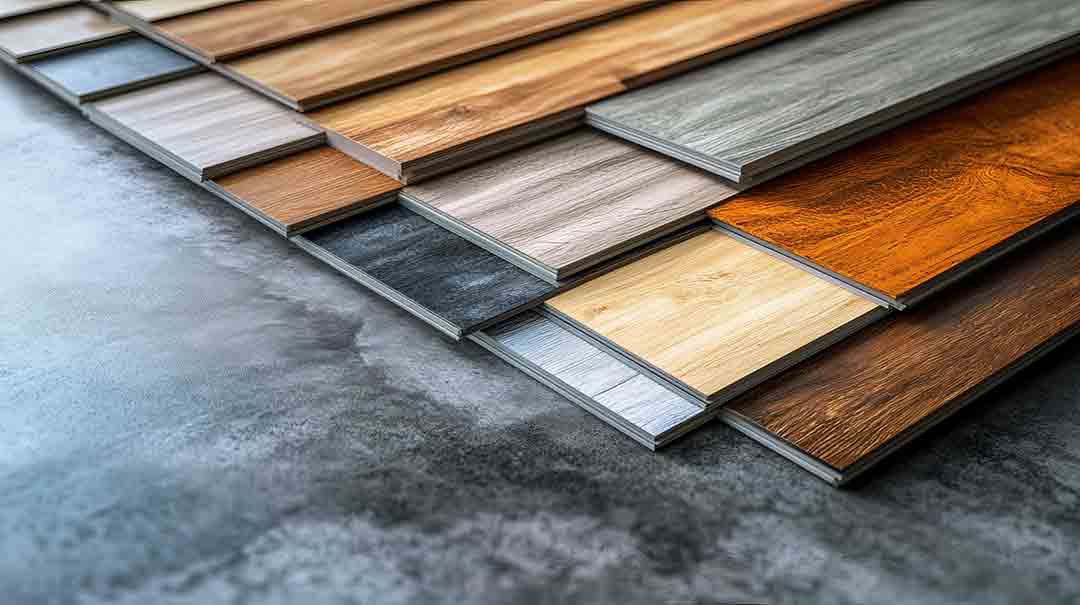 2. Engineered Wood (Best for Aesthetic & Efficiency Balance)
Why it works: Unlike solid wood, engineered wood is designed to handle temperature fluctuations without expanding or contracting excessively.
Pros:
✔ Stylish and natural-looking
✔ More stable than solid wood
✔ Good heat transfer properties
Cons:
✖ Needs to be UFH-compatible
✖ Thicker boards reduce efficiency
Best for: Living rooms, bedrooms, and open-plan spaces.
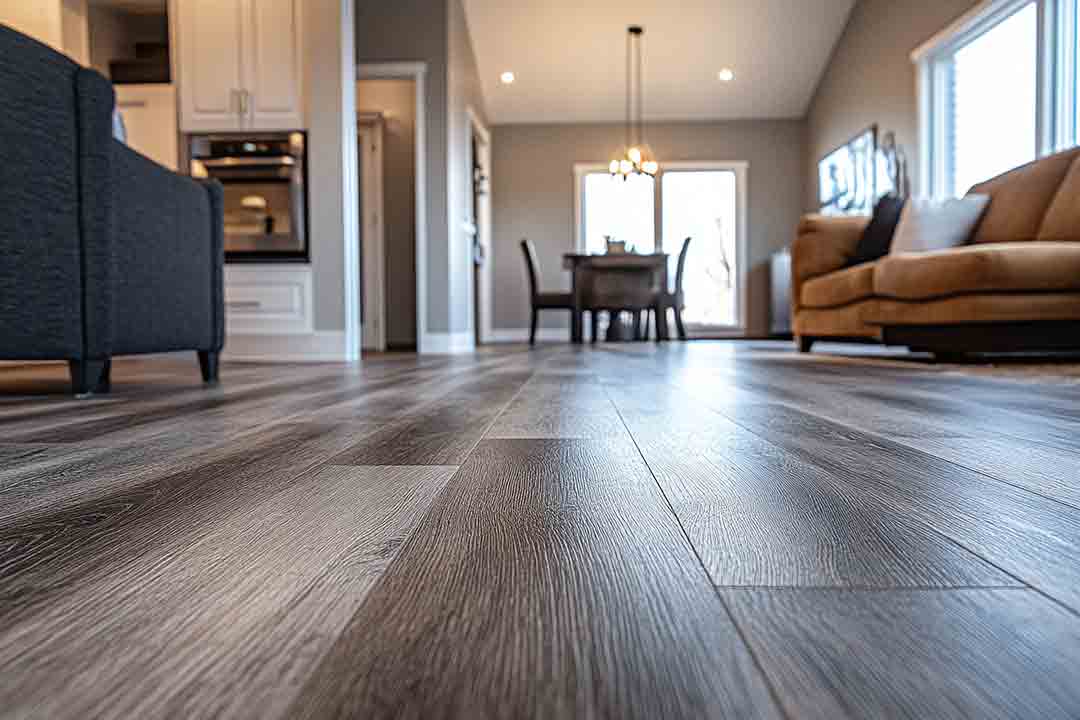 3. Luxury Vinyl Flooring (Affordable & Energy Efficient)
Why it works: Luxury vinyl (LVT) is thin, durable, and has excellent heat conductivity, making it one of the best choices for UFH.
Pros:
✔ Heats up quickly
✔ Affordable and easy to install
✔ Waterproof and durable
Cons:
✖ May require a specific underlay
✖ Not all vinyl is UFH-compatible (check manufacturer guidelines)
Best for: Bathrooms, kitchens, and modern homes.
 5. Carpet (A Comfortable but Limited Option)
Why it works: While carpet isn’t the best conductor of heat, low-tog (under 2.5) carpets with the right underlay can work with UFH.
Pros:
✔ Soft and comfortable underfoot
✔ Works well in bedrooms and living rooms
Cons:
✖ High tog ratings block heat
✖ Takes longer to warm up
Best for: Bedrooms and living rooms with low-tog carpets.
Flooring Types to Avoid with Underfloor Heating
While many flooring types work well with UFH, some should be avoided:
🚫 Solid wood flooring: Prone to expansion and warping due to heat.
🚫 Thick carpets with high tog ratings: Restricts heat flow.
🚫 Certain vinyl’s or adhesives: Some materials degrade under heat—always check manufacturer guidelines.
Summary
Selecting the best flooring for your underfloor heating system ensures optimal efficiency, comfort, and long-term performance. Whether you opt for tile, engineered wood, vinyl, or laminate, choosing a heat-friendly material is key.
Thinking of installing underfloor heating?
Contact Greenwoods Heating, Plumbing and Renewables Ltd today for expert guidance and professional installation services!